Farming Technology20 May 20266 min read
Modern Turmeric Cultivation: The High-Yield Single-Bud Pro-Tray & Shade-Net Guide
D
Dr. Kamlesh TrivediSenior Agronomy Advisor
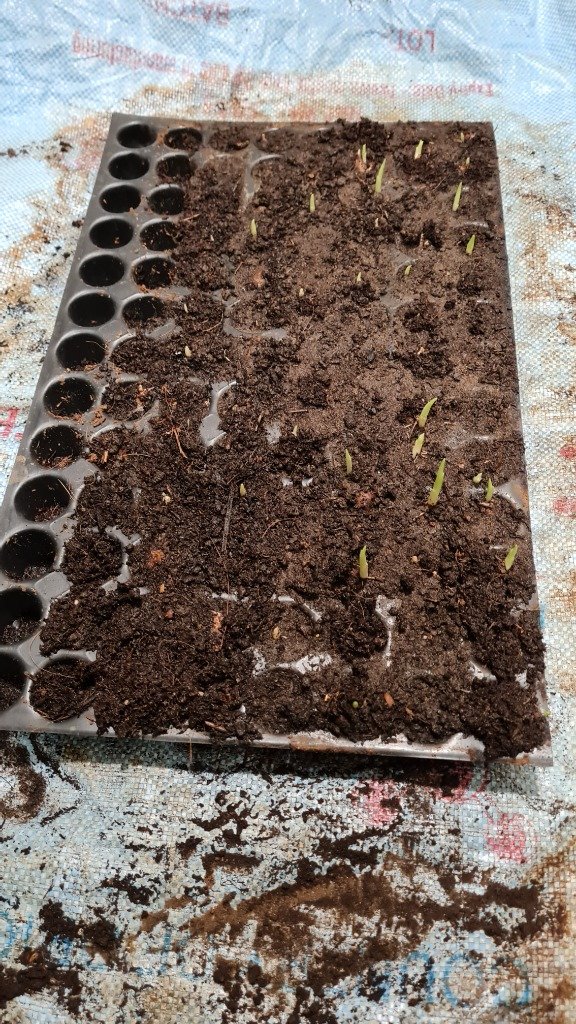
How single-bud pro-tray technology, shade-net pre-sprouting, and precision raised-bed drip fertigation slash seed costs by 85% and achieve 20-25 tonnes/acre of high-curcumin turmeric.
# Modern Turmeric Cultivation: Single-Bud Pro-Tray & Shade-Net Farming
Turmeric (Curcuma longa), affectionately termed 'Golden Spice' or 'Haldi', is one of India's most valuable commercial spice and medicinal cash crops. India commands over 75% of global turmeric production and 60% of international trade.
Traditionally, turmeric farming was plagued by high input costs, requiring 1,000 to 1,200 kg of fresh seed rhizomes per acre. Farmers often suffered 20-30% field mortality due to soil-borne soft rot (Pythium aphanidermatum) and uneven emergence.
At Malek Agrotech, we implement the ICAR-IISR single-bud pro-tray nursery technology paired with agro-shade net conditioning. This revolutionary protocol slashes seed requirements by up to 85% while delivering uniform, disease-free crops yielding 20 to 25 tonnes of fresh rhizomes per acre.
---
## 1. Seed Rhizome Conditioning Under Shade Net
The process begins with high-curcumin varieties (such as IISR Prathibha, Salem, Pragati, or Waigaon).
1. **Mother & Finger Selection**: Healthy, disease-free, plump rhizomes with visible eye buds are selected.
2. **Biological & Chemical Prophylaxis**: Rhizomes are dipped for 20 minutes in a protective slurry containing Mancozeb 63% + Carbendazim 12% (2 g/L) and Chlorpyriphos 20 EC (2 ml/L), or bio-inoculated with Trichoderma viride and Pseudomonas fluorescens (10 g/L).
3. **Breathable Mesh Bag Conditioning**: Treated rhizomes are packed in breathable poly-mesh bags and placed inside a 50-75% green agro-shade net house.
- The shade net filters harsh ultraviolet rays and creates a microclimate of 25°C-32°C with 80-90% relative humidity.
- Breathable mesh bags allow continuous air exchange, preventing anaerobic rotting while ensuring rapid, uniform dormancy breaking and bud swelling within 7 to 10 days.
---
## 2. Single-Bud Excision & Pro-Tray Nursery Propagation
Once the vegetative eyes awaken:
1. **Single-Bud Cutting**: Using a sanitized scooper or grafting blade, small 5-10 gram rhizome fragments containing a single active eye are excised.
2. **Sterilized Bio-fortified Media**:
- Washed, decomposed coco-peat (EC < 0.5 mS/cm, pH 6.0-6.8).
- Enriched with 10% vermicompost, Trichoderma viride (250 g/100 kg), and Mycorrhiza (VAM).
3. **Plug Tray Sowing**:
- 98-cell cavity pro-trays are filled with media.
- Buds are placed upright with the growing tip facing upwards and covered with 1 cm of coco-peat.
- Trays are stacked for 4-5 days under black plastic cover to induce quick, uniform sprouting, then laid out in rows under the shade net.
- Fine mist irrigation is given twice daily.
- Within 8-12 days, vigorous pointed pale-green shoots emerge.
- Seedlings develop a dense root plug and become field-ready in 30 to 35 days (possessing 2-3 true leaves and sturdy root systems).
---
## 3. Raised Bed Architecture & Automated Drip Fertigation
Field transplanting is conducted on raised beds to ensure maximum soil aeration and eliminate water stagnation:
- **Bed Specifications**: 3 ft (90 cm) top width, 1 ft (30 cm) height, and 1.5 ft (45 cm) furrows.
- **Micro-Irrigation**: Dual 16mm inline drip laterals per bed with 30cm or 40cm emitter spacing (2-4 LPH discharge).
- **Plant Geometry**: Zig-zag double-row planting with 30-35 cm row-to-row and 25-30 cm plant-to-plant spacing, establishing 25,000-28,000 plants per acre.
- **Mulching**: Immediately after transplanting, beds are covered with organic mulch (sugarcane bagasse, organic dry straw, or green biomass at 2-3 tonnes/acre) to suppress weeds, regulate soil temperature, and conserve moisture.
---
## 4. Balanced Nutritional Fertigation Schedule
Turmeric requires a balanced nutritional supply (120 kg N : 60 kg P2O5 : 120 kg K2O per acre) delivered through the drip network:
1. **Vegetative Stage (Days 15-60)**: Water-soluble 19:19:19 + Humic acid for root and canopy growth.
2. **Tillering & Shoot Multiplications (Days 61-120)**: Mono-Ammonium Phosphate (12:61:00) + Urea + Magnesium Sulphate (5 kg/month).
3. **Rhizome Initiation (Days 121-180)**: Potassium Nitrate (13:00:45) + Micronutrient chelate (Zinc, Boron, Iron). Earthing up is performed at 60 and 100 days.
4. **Rhizome Bulking & Curcumin Accumulation (Days 181-230)**: Sulphate of Potash (00:00:50) + Calcium Nitrate to maximize rhizome density, color, and curcumin content.
---
## 5. Economic & Agronomic Advantage
By adopting this pro-tray shade-net system:
- **Seed Investment**: Drops from ₹35,000-₹45,000 to just ₹6,000-₹10,000 per acre (85% reduction).
- **Field Mortality**: Drops from 20-30% down to under 2%.
- **Harvest Yield**: Climbs to 20-25 tonnes fresh rhizomes (4-5 tonnes cured dry turmeric) per acre with premium curcumin grades.
Through precision agrotechnology and transparent managed farming, Malek Agrotech helps participants and farmers unlock the full commercial potential of India's spice powerhouse.
Tags:Turmeric FarmingPro-Tray NurseryShade NetHigh CurcuminPrecision DripIISR Spices